


SUSTAINABLE
INNOVATION
Continuously innovating to create long-term value for the environment and society

TRANSPARENCY &
INTEGRITY
Committed to transparency in all operations and compliance with international standards

SPEED &
DETERMINATION
Acting swiftly and effectively to capture opportunities in the green energy market

INTERNATIONAL
STANDARD QUALITY
Applying ISCC, ESG, and Carbon Credit standards to reinforce our credibility

PARTNERING WITH
THE COMMUNITY
Prioritizing collaboration with farmers, cooperatives, and vulnerable groups in the supply chain
main products
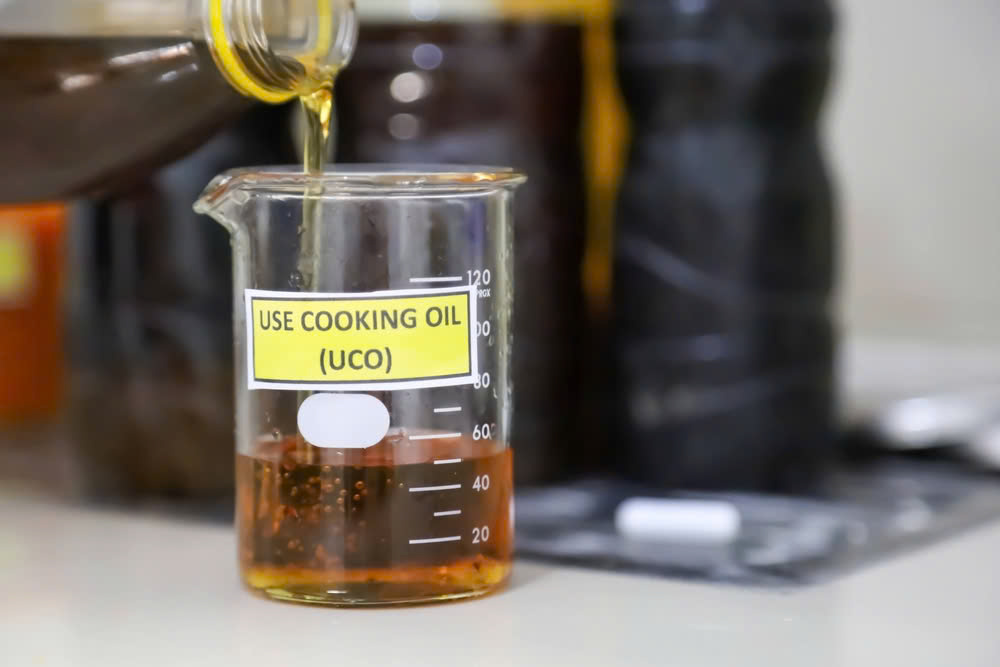
USED COOKING OIL
Used cooking oil is considered a waste, and UCO collection points typically come from restaurants, hotels, eateries, and other food processing facilities. Instead of disposing of it as waste, UCO can be used as a feedstock for biodiesel production.
By recycling UCO into biodiesel, we can reduce the demand for conventional fossil fuels and lower greenhouse gas emissions. Using UCO as an input for biodiesel is a solution that helps address environmental pollution while also increasing its economic value.
RUBBER SEED OIL (RSO)
Rubber seed oil is extracted from the seeds of the rubber tree.
It is considered a natural oil and feedstock that can be used for biodiesel production, as well as in the manufacture of ballpoint pens, and in the paint and leather industries.

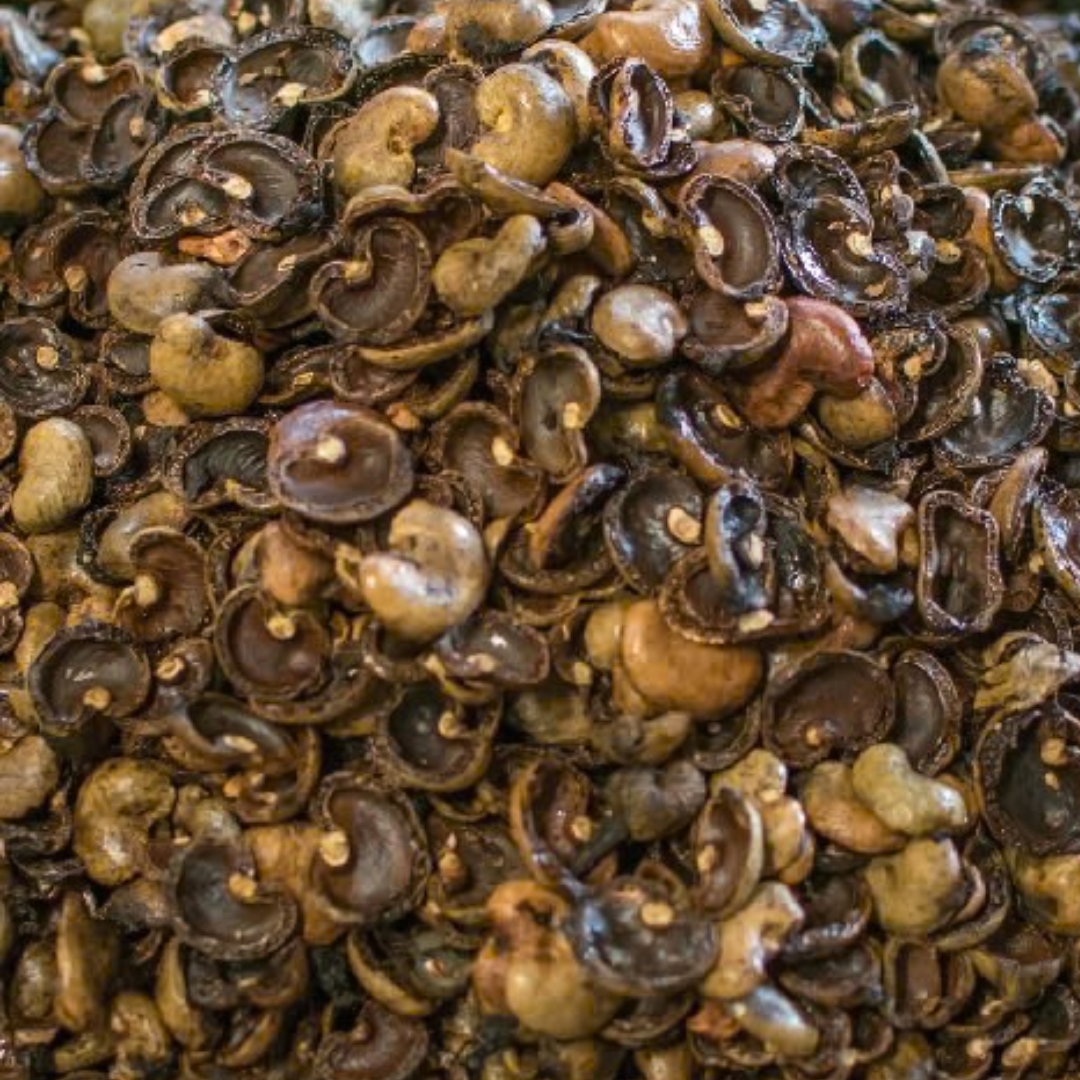
CASHEW NUT SHELL LIQUID (CNSL)
This is a natural oil extracted from cashew nut shells, used in the production of binders, resins, and chemical feedstocks.
Today, CNSL is extracted and processed into reliable renewable petrochemical derivatives. It is an environmentally friendly alternative to petroleum-based products in many applications, helping to reduce greenhouse gas emissions.
Applications:
- Producing biodiesel as a substitute for fossil diesel. Biodiesel can be blended with diesel (B5, B10, B20) for use in trucks, buses, and marine vessels.
- Supplying electricity for off-grid areas or backup power generation systems.