
In the rubber industry, rubber seeds have long been considered a by-product after latex harvesting. However, with the rapid development of the circular economy and renewable energy, this resource is increasingly recognized as a valuable biomass material with significant economic and environmental potential.
Recognizing this value, Vinatoken R.E. has been actively researching, collecting, and efficiently utilizing rubber seeds to contribute to the development of a sustainable biofuel supply chain in Vietnam.
RUBBER SEEDS – A HIGH-POTENTIAL BIOMASS RESOURCE
Rubber seeds are naturally generated after the latex harvesting season. Their chemical composition includes:
- High vegetable oil content
- A large amount of unsaturated fatty acids
- Diverse proteins and organic compounds
Thanks to these characteristics, rubber seeds can be applied across multiple sectors, including industry, agriculture, and especially renewable energy.
Utilizing this agricultural by-product not only helps increase the economic value of the rubber industry but also contributes to emission reduction and environmental protection.
PRACTICAL APPLICATIONS OF RUBBER SEEDS
1. Seed source for rubber plantation development
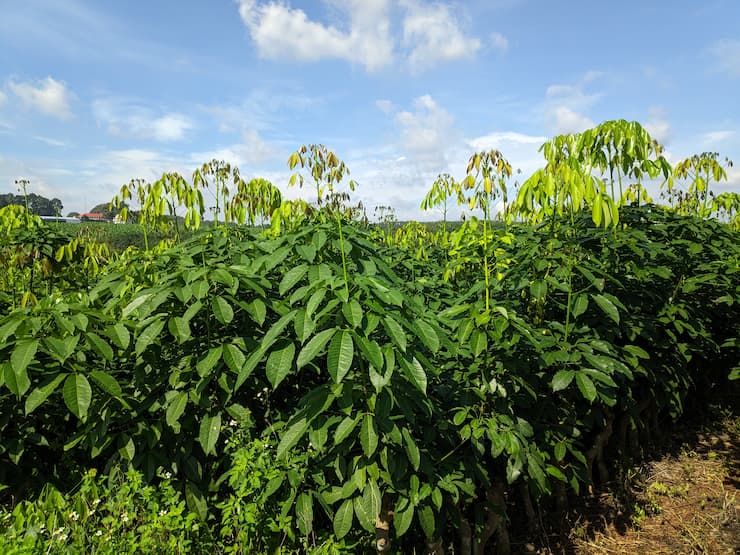
Rubber seeds have long been widely used for:
- Rubber tree propagation
- Expanding plantation areas
- Providing stable seed sources at low cost
Seed-based propagation remains a common solution due to its simplicity, efficiency, and scalability.
2. Raw material for industrial oil and biofuel production
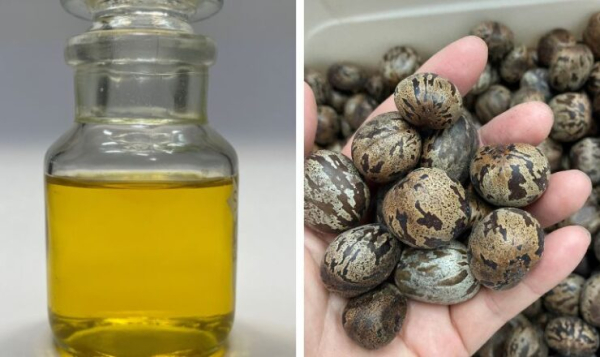
Oil extracted from rubber seeds has many important applications:
- Manufacturing industrial soap
- Serving as a raw material for anti-corrosion electrophoretic coatings
- Acting as a biofuel alternative to fossil fuels
Particularly in the renewable energy sector, rubber seed oil is considered a valuable biomass feedstock thanks to:
- Good combustion performance
- High calorific value
- Environmental friendliness
This is also one of the key development directions currently pursued by Vinatoken R.E.
3. Rubber seed shells – Raw materials for activated carbon and energy materials
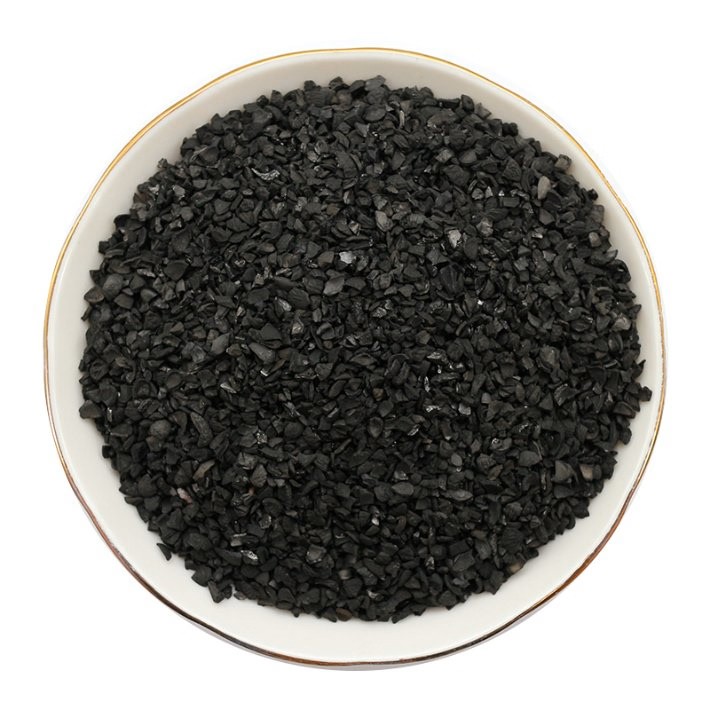
Not only the kernel but also rubber seed shells provide useful applications:
- Production of activated carbon
- Industrial wastewater treatment
- Odor removal and air filtration
- Applications in energy storage materials
Activated carbon derived from rubber seed shells has strong adsorption capacity, helping improve environmental treatment efficiency across many industries.
In addition, rubber seed shells are being studied for use as electrode materials in bio-based batteries, opening new opportunities for future green energy solutions.
4. Oil cake residue – Organic fertilizer and soil improvement material
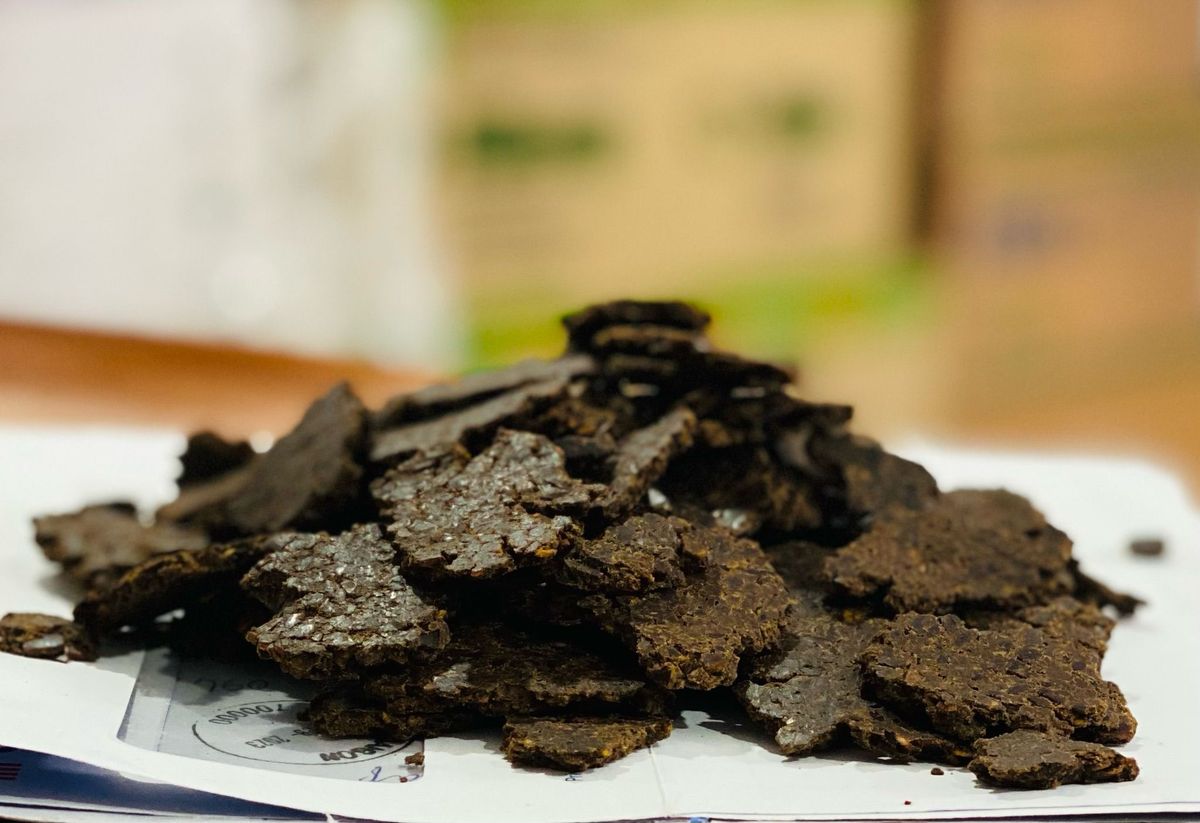
After oil extraction, the remaining rubber seed cake can be utilized as:
- Organic fertilizer
- Soil conditioner
- Nutrient supplement for crops
Its application helps:
- Improve soil porosity
- Enhance microbial activity
- Increase crop productivity
This demonstrates a clear example of a zero-waste biomass utilization model within a circular value chain.
VINATOKEN R.E. – UTILIZING AGRICULTURAL BY-PRODUCTS FOR A GREENER ENERGY FUTURE
As part of its sustainable development strategy, Vinatoken R.E. focuses on:
- Collecting biomass resources from the rubber industry
- Processing vegetable oil for renewable fuel production
- Maximally utilizing by-products through circular economy practices
- Contributing to carbon emission reduction across the energy supply chain
The effective utilization of rubber seeds not only creates economic value for businesses and rubber growers but also contributes positively to the development of clean energy in Vietnam.
In the coming years, Vinatoken R.E. will continue expanding its biomass collection network and strengthening cooperation with domestic and international partners to develop a stable, sustainable, and environmentally friendly renewable fuel supply chain.