
From 2025, Vietnam has been gradually piloting and moving toward the widespread use of E10 biofuel gasoline. Starting from June 1, 2026, E10 gasoline will be implemented nationwide. This is not merely a change in fuel type, but also an important step in the country’s green energy transition, aiming to achieve net-zero emissions by 2050 in line with the commitments made at the COP26. So what benefits does E10 gasoline bring to consumers, businesses, and the economy?
1. Contributing to Environmental Protection and Reducing Greenhouse Gas Emissions
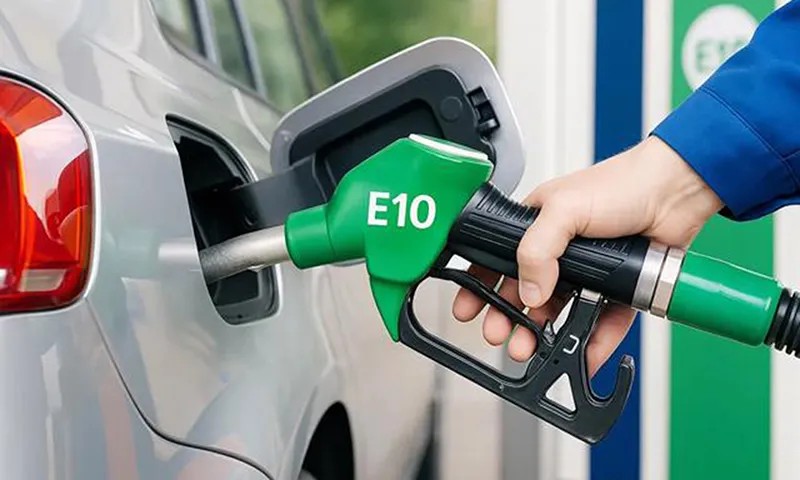
E10 gasoline is a type of biofuel consisting of 90% conventional gasoline and 10% bioethanol, produced from renewable raw materials such as cassava, corn, and sugarcane. Thanks to its higher oxygen content, ethanol allows for more complete combustion, which helps to:
- Reduce 20–30% of carbon monoxide (CO) and hydrocarbon (HC) emissions
Significantly lower CO₂ emissions throughout the fuel lifecycle - According to lifecycle analyses conducted in tropical countries, greenhouse gas emissions can be reduced by 37–84% compared to conventional gasoline
This is particularly meaningful for major urban centers such as Hà Nội and Thành phố Hồ Chí Minh, where high traffic density leads to significant air pollution. The use of E10 contributes to improving air quality, reducing the risk of respiratory diseases, and lowering long-term healthcare costs for society.
2. Improving Engine Performance and Ensuring Safety
One of the main concerns among consumers is whether E10 gasoline affects engine performance. However, studies both domestically and internationally indicate that:
- Ethanol has a high octane rating (RON above 100, up to 109), which improves anti-knock performance
- Cleaner combustion helps engines operate more smoothly and reduces carbon buildup
- Vehicles do not require modification or adjustment when switching to E10
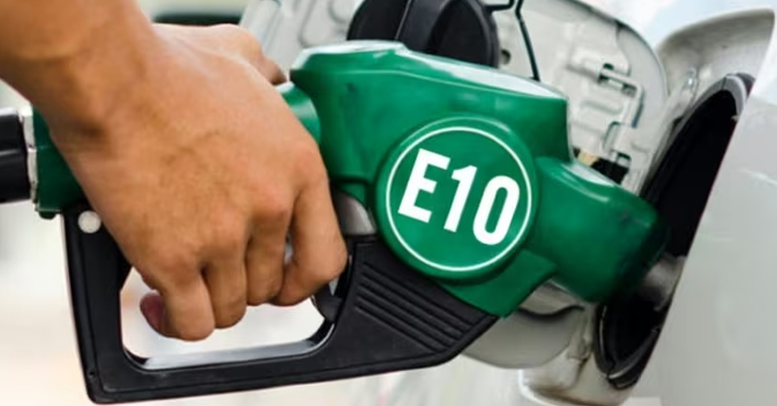
Major automobile and motorcycle manufacturers such as Toyota, Honda, Ford, and Yamaha have confirmed that their current vehicle models are compatible with E10 fuel. In Vietnam, E5 gasoline has been used nationwide since 2014 without any recorded negative impact on engine lifespan.
3. Strengthening National Energy Security
The development of biofuels also helps Vietnam:
- Reduce dependence on imported fossil fuels
- Increase energy self-sufficiency using domestic agricultural resources
- Promote domestic ethanol production, creating jobs and adding value to the agricultural sector
It is estimated that the demand for ethanol to produce E10 nationwide could reach 1–1.5 million cubic meters per year. This opens opportunities for developing local supply chains and building a more sustainable circular economy.
4. Generating Economic and Fiscal Benefits
The petroleum sector currently contributes approximately VND 250–300 trillion annually to the state budget through various taxes. Expanding domestic ethanol production will further increase government revenue from biofuel production and processing.
At the same time, reduced air pollution can help lower healthcare costs and economic losses associated with disease and premature deaths. These indirect economic benefits are significant and contribute to overall social welfare.
5. Aligning with Global Energy Trends
E10 gasoline is not a new solution globally; it has been widely adopted in many countries:
- Brazil pioneered ethanol-blended gasoline in 1975 and currently uses blends of 27–30% ethanol, with E85 for certain vehicles.
- USA widely distributes E10 nationwide and encourages higher ethanol blends.
- Thailand and Philippines have mandated ethanol-blended gasoline for many years.
International experience shows that E10 serves as an important transitional fuel in the shift from fossil fuels to cleaner energy sources.
Conclusion
The adoption of E10 gasoline brings dual benefits: protecting the environment while maintaining engine performance and strengthening energy security. With a clear regulatory framework, technical standards, and cooperation among government agencies, businesses, and automobile manufacturers, E10 has the potential to become a safe and effective solution for Vietnam’s energy transition.
Switching to E10 is not merely about changing fuel—it represents a conscious choice for a cleaner, greener, and more sustainable future for society. 🌱
Source: Compiled